
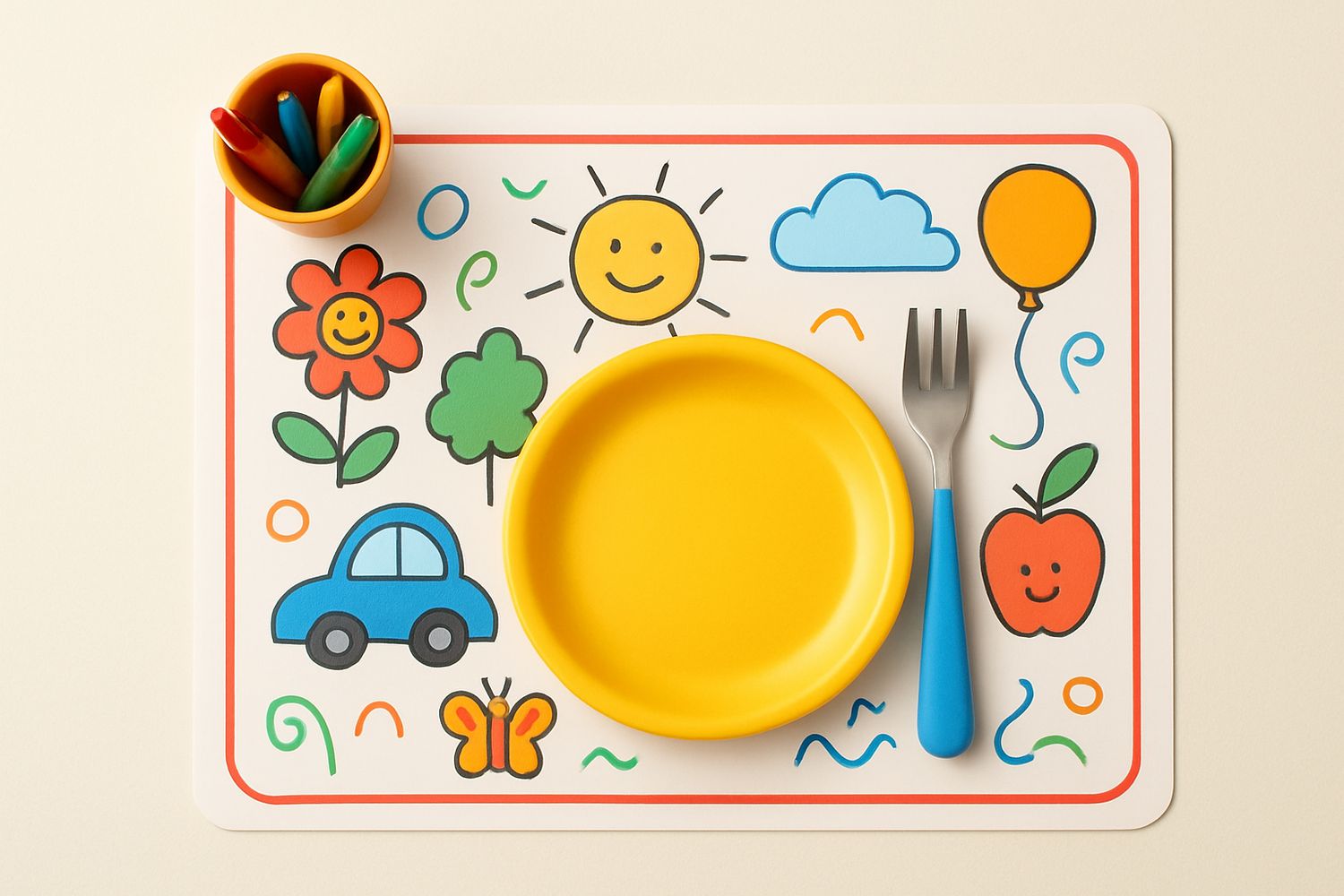
A table full of restless children, crayons rolling onto the floor, and a menu that only offers fried chicken fingers cut into dinosaur shapes. This scene repeats itself in thousands of restaurants every week. The difference between a chaotic family meal and a smooth, profitable one often begins before the first order is taken. It starts with a deliberate kids menu setup. For restaurant owners and managers, crafting an experience that works for young guests is not about giving away cheap toys. It is about aligning menu design, table settings, and staff training so that children feel welcome, parents relax, and the operation runs efficiently. This guide breaks down each component of a practical kids menu setup, from the materials you choose to the way you train your team.
Why a Dedicated Kids Menu Setup Matters
Families with children represent a huge segment of the dining market. They tend to eat out earlier, often during slower weekday periods, and they are more likely to become regulars when they find a spot that treats their kids well. A well-executed kids menu setup does more than keep children occupied. It reduces the average table time by minimizing boredom-driven restlessness, and it raises the check average because parents are more inclined to add a dessert or a specialty drink when the atmosphere feels calm and accommodating.
From an operational standpoint, a standardized kids menu setup removes guesswork. Servers know exactly which menu to hand a child, where to place the drinking cup, and what to say when a crayon snaps. Kitchens can prep smaller portions without confusion. The result is fewer spills, faster turnovers, and fewer complaints. When families feel the restaurant genuinely planned for their children, word of mouth spreads, and that early-evening table fills up night after night.

Designing the Kids Menu That Actually Works
Format and Material Choices
The physical form of the menu is just as important as what is listed on it. Paper placemats that double as activity sheets are one of the most effective formats. They cover a large surface area, catch crumbs and spills, and give children something to do immediately. A simple black-and-white line art coloring mat printed on thick paper costs a few cents apiece when ordered in bulk. Add a small cup of four crayons tied or clipped to the mat, and you have a low-cost entertainment kit that signals to parents you know what you are doing.
For operations that want a more upscale feel or have a permanent kids offer, laminated single-page menus with rounded corners are a durable alternative. They can be wiped down and reused for months. Avoid heavy, multi-page menus that are hard for small hands to manage. Whatever format you choose, keep it clean, replace it when it starts to look worn, and make sure there is always a fresh stack ready at the host stand.
Visual Design and Language
Young children cannot read a dense paragraph about the provenance of organic carrots. They respond to bright, uncluttered visuals and simple words. Use large photos of recognizable food, like a bowl of mac and cheese or a grilled cheese triangle. Label each item with a short, friendly name. Instead of “house-made buttermilk-brined chicken tenders,” write “crunchy chicken strips.” This makes ordering easier for a five-year-old and speeds up the decision-making process.
Think about the layout as a storyboard rather than a list. Place a fun icon next to each dish, or add a small area where the child can circle their choice. The language should feel like an invitation, never a chore. Avoid jargon, and if your concept permits, use a playful font for the headings while keeping the body text legible for parents.
Portions and Pricing
A common mistake is to price kids meals so low that they barely cover costs, or to create adult-size portions that get wasted. Most families expect to pay roughly half to two-thirds of an adult entree price for a child’s meal, but they also expect a complete plate. A smart kids menu setup bundles a smaller main, a side like apple slices or fries, and a drink at a single price. This combo approach makes parents feel they are getting value and simplifies the server’s order entry.
You do not need to offer elaborate customizations. Two or three main choices, one or two sides, and a drink option are enough. Avoid the trap of offering only fried foods. Including one grilled or roasted option gives health-conscious parents a reason to return. For dessert, consider a small scoop of ice cream or a fruit cup add-on for a flat dollar amount, keeping the total check healthy for the business while feeling like a treat.
Allergen and Dietary Information
Parents of young children often manage food allergies or intolerances. Clearly mark items that contain common allergens like dairy, gluten, nuts, and eggs directly on the menu. A simple icon system or a concise ingredient note builds immediate trust. If your kitchen can accommodate substitutions such as gluten-free pasta or a dairy-free cheese alternative, mention it. This small effort can turn a one-time visit into a go-to spot for a family that has struggled to find safe dining options elsewhere.
Table Setup Checklist for Young Guests
Once the menu is ready, the table itself needs a configuration that matches the child’s size and coordination. A haphazard setup leads to knocked-over drinks, dropped forks, and stressed parents. Follow a simple checklist for every reservation that includes a child, and retrain your team to run through it before the family sits down.
- Age-appropriate seating: a sturdy high chair for toddlers or a booster seat that straps securely to a standard chair. Check the buckles and cleanliness before seating.
- Drinkware: a small, lightweight cup with a lid and a short straw or a spill-proof sippy-style cup. Avoid stemmed glass and heavy ceramic mugs that children cannot grip.
- Flatware: a child-sized fork and spoon with rounded tips. A full-size metal fork can be intimidating and unwieldy for a three-year-old.
- Placement: position the child’s plate and cup away from the edge of the table, and keep hot plates and sharp steak knives completely out of reach until the parent takes over.
- Activity kit: a paper placemat or a separate coloring sheet and a few crayons in a small cup. Skip anything that makes noise or has small removable parts that end up on the floor.
- Napkin or bib: a large paper napkin or a cohesive bib that can be tied on, especially for saucy dishes.
- Mess management: a small, damp cloth or a handful of wet wipes on the table shows you expect messes and are prepared without a fuss.

Training Staff to Support the Kids Menu Setup
Even the best-printed menu and the most carefully arranged table can fall apart if the server does not engage with the child correctly. Training should go beyond the basic “here is your coloring sheet.” The first interaction sets the tone. Have the server kneel or bend down to the child’s eye level, introduce themselves, and hand the kids menu directly to the young guest. This small gesture makes the child feel seen and gives the parent a moment of relief.
Teach the team to point out the activity options on the menu and to ask the child what they would like to drink, even if the parent ultimately confirms the choice. Servers should know the allergen information by heart and be ready to check with the kitchen without hesitation. After the food arrives, a quick check on the child’s experience (“Is your pizza warm enough?”) shows genuine care. Clear away broken crayons, replace dropped napkins, and never rush the family, even if the dining room is busy. The goal is to create a series of frictionless micro-interactions that add up to a memorable visit.
Common Mistakes That Undermine the Experience
Many restaurants treat children as an afterthought, and the small oversights that follow can turn a promising evening into a complaint. Avoid these frequent missteps when designing and executing your kids menu setup.
Handing an adult menu to a child is the first and most common error. It immediately signals that the restaurant did not prepare for them. Placing a steaming hot plate directly in front of a squirming toddler is a safety risk that also alarms parents. Forgetting to offer a lid for the drink leads to predictable spills. Running out of crayons or placing broken stubs on the table makes the activity kit feel like an empty promise. Menus that list only deep-fried items alienate health-conscious caregivers, while failing to mention allergens can have serious consequences. Finally, ignoring the child entirely during the meal, speaking only to the adults, is a sure way to make the family feel unwelcome. Each of these mistakes is easy to fix once you commit to a genuine kids menu setup.
Putting It All Together: A Low-Cost, High-Impact Kids Menu Setup
Building a kids menu setup that actually works does not demand a huge renovation budget or a dedicated children’s coordinator. Start with a well-designed paper placemat menu that doubles as a coloring activity. Add a few washable, reusable crayon containers at minimal ongoing cost. Invest in a batch of sturdy plastic cups with lids and child-sized flatware, which quickly pay for themselves by reducing breakage and spills. Train your team on a simple table setup checklist and on the art of speaking to young humans as valued guests.
Review the menu itself every few months. Swap out a dish that is not selling, update visuals that feel dated, and verify that allergen information is still accurate. Track which family-friendly tables fill first, and adjust your seating plan to cluster young families near easy access to restrooms or away from loud bar areas. Over time, these small, deliberate choices compound. The dining room hums with a cheerful, controlled energy, and parents start booking that same booth every Tuesday night because the kids menu setup is the quiet backbone of a smooth family meal.